

Residential houses development in Kenya
 by admin_crel on April 25, 2025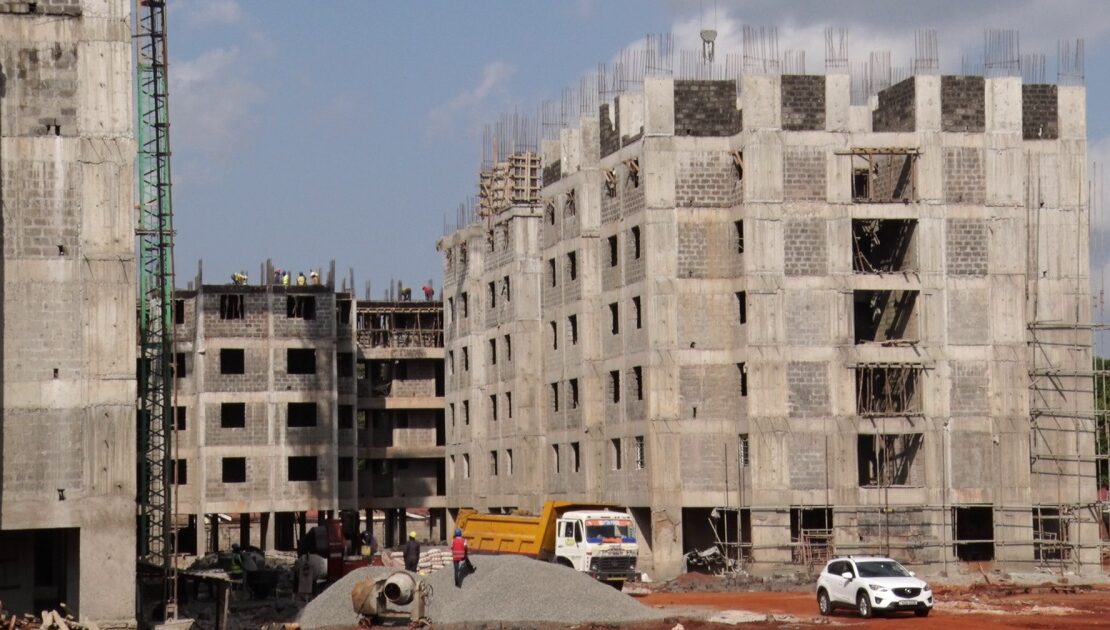
The residential housing development sector in Kenya is a dynamic and crucial part of the country’s economy, facing both significant opportunities and considerable challenges. Here’s a comprehensive overview of the sector:
Current State and Trends:
- High Demand: Kenya faces a substantial housing deficit, estimated at around 2 million units, with an annual demand of 250,000 units against a supply of only 50,000 units. Rapid urbanization and population growth are the primary drivers of this demand.
- Urbanization: As more people move to urban centers like Nairobi, Thika, and others, the demand for housing in these areas is increasing significantly. Nairobi’s population is projected to exceed 6 million by 2030, further straining the housing supply.
- Shift to Apartments: Due to land scarcity and affordability issues, there’s a growing trend towards apartment complexes over standalone houses and villas, especially in urban areas. Apartments are generally more budget-friendly for both renting and buying.
- Mixed-Use Developments: Integrated developments that combine residential, commercial, and retail spaces are gaining popularity. These developments offer residents the convenience of living and working in the same area, reducing the need for long commutes. Examples include Two Rivers Mall, Garden City Mall, and The Waterfront Karen.
- Affordable Housing Focus: The government and private developers are increasingly focusing on affordable housing projects to address the significant housing deficit for low- and middle-income earners. Areas like Athi River, Ruiru, and Ngong are becoming hubs for such developments.
- Technology Adoption (PropTech): The real estate sector is increasingly adopting technology, with online property listing platforms, virtual tours, property management software, and smart home technology becoming more common. Blockchain technology is also being explored for land registration to enhance transparency and security.
- Green Building Practices: There’s a growing awareness and adoption of sustainable and eco-friendly building practices, including energy-efficient designs, solar panels, rainwater harvesting systems, and the use of sustainable building materials.
- Customization: An emerging trend is the demand for customization of house interiors to reflect individual tastes and needs, including personalized gyms, home theaters, and specialized finishes.
- Investment Hotspots: Besides Nairobi, areas like Ruaka, Kikuyu, and Dika are becoming investment hotspots due to improved infrastructure and accessibility to major cities.
Government Initiatives:
The Kenyan government has several initiatives aimed at addressing the housing deficit and promoting affordable housing:
- Affordable Housing Program (Boma Yangu): This program aims to deliver decent and affordable housing to low- and middle-income households. It involves registration of potential homeowners, encouraging savings, offering a selection of preferred units, facilitating home financing (including subsidized loans and tenant purchase schemes), and a transparent allocation process.
- Tax Incentives: The government has extended tax incentives for developers involved in affordable housing projects, including tax exemptions on construction materials and reduced stamp duty.
- Housing Levy: The Finance Act 2023 introduced a housing levy of 1.5% of employees’ basic salary (with an equivalent contribution from employers) to fund affordable housing development and associated infrastructure.
- Kenya Mortgage Refinance Company (KMRC): KMRC provides long-term loans to primary mortgage lenders (banks and SACCOs) to increase the availability and affordability of home loans.
- National Housing Corporation (NHC): The NHC plays a key role in implementing government housing policies and programs, including developing housing units for sale and rent through schemes like tenant purchase and outright sale.
- Public-Private Partnerships (PPPs): The government is encouraging PPPs to leverage private sector investment and expertise in large-scale affordable housing projects.
- Serviced Land Provision: The government intends to make serviced land (with necessary infrastructure like water, sewage, roads, and power) available to private developers to support the large-scale supply of affordable homes.
Challenges in Residential Housing Development:
Despite the growth and opportunities, the sector faces several challenges:
- High Land Costs: The cost of land, especially in urban areas, remains a significant barrier to affordable housing development.
- High Construction Costs: Fluctuating prices of construction materials and logistical challenges can increase project costs.
- Inadequate Financing: Access to affordable financing for both developers and potential homeowners (mortgages) remains limited for a large portion of the population. High interest rates and strict lending criteria are significant hurdles.
- Bureaucracy and Regulatory Hurdles: Lengthy and complex approval processes for housing projects can cause delays and increase costs. Issues with land registration and obtaining necessary permits also pose challenges.
- Infrastructure Deficits: Inadequate infrastructure, such as roads, water supply, and sanitation, especially in peri-urban areas, can hinder development and increase costs for developers who may need to invest in these themselves.
- Land Ownership Disputes: Historical land issues and disputes over ownership can lead to project delays and legal challenges.
- Corruption: Corruption within the land administration and approval processes can increase costs and uncertainty for developers and buyers.
- Market Volatility: Fluctuations in property prices and demand can make it difficult for developers to accurately forecast returns and for buyers to make informed decisions.
- Affordability for Low-Income Earners: Despite efforts, making housing truly affordable for the lowest income segments of the population remains a significant challenge.
- Environmental Concerns: Rapid construction without proper environmental safeguards can lead to negative environmental impacts.
Opportunities for Investors:
Despite the challenges, the residential housing development sector in Kenya presents numerous opportunities for investors:
- High Demand: The significant housing deficit ensures a ready market for well-planned and affordable housing units.
- Government Support: Government initiatives and incentives aim to attract private sector investment in affordable housing.
- Emerging Areas: Investing in rapidly growing urban centers and satellite towns can yield high returns as infrastructure improves and demand increases.
- Rental Market: With homeownership out of reach for many, the demand for rental properties, especially apartments, is high, offering attractive rental yields.
- Real Estate Investment Trusts (REITs): REITs offer a way for investors to participate in the property market with diversification, liquidity, and potential income distribution.
- Diaspora Investment: Kenyans living abroad are increasingly investing in the real estate market back home.
In conclusion, the residential housing development sector in Kenya is characterized by strong demand, driven by urbanization and population growth. 1 While facing challenges such as high costs, financing limitations, and regulatory hurdles, the government’s focus on affordable housing and the increasing adoption of modern trends present significant opportunities for developers and investors. 2 The future of the sector will likely be shaped by continued urbanization, technological advancements, and the effectiveness of government policies in addressing the housing deficit.



It’s actually a cool andd useful piece of info.
I’m satisfied that you simply shated this useful information with us.
Please stay us informed like this. Thaanks
for sharing.
We are located in Kenya